SEB-EcoMito 2026: A Community Comes to Life in Lyon
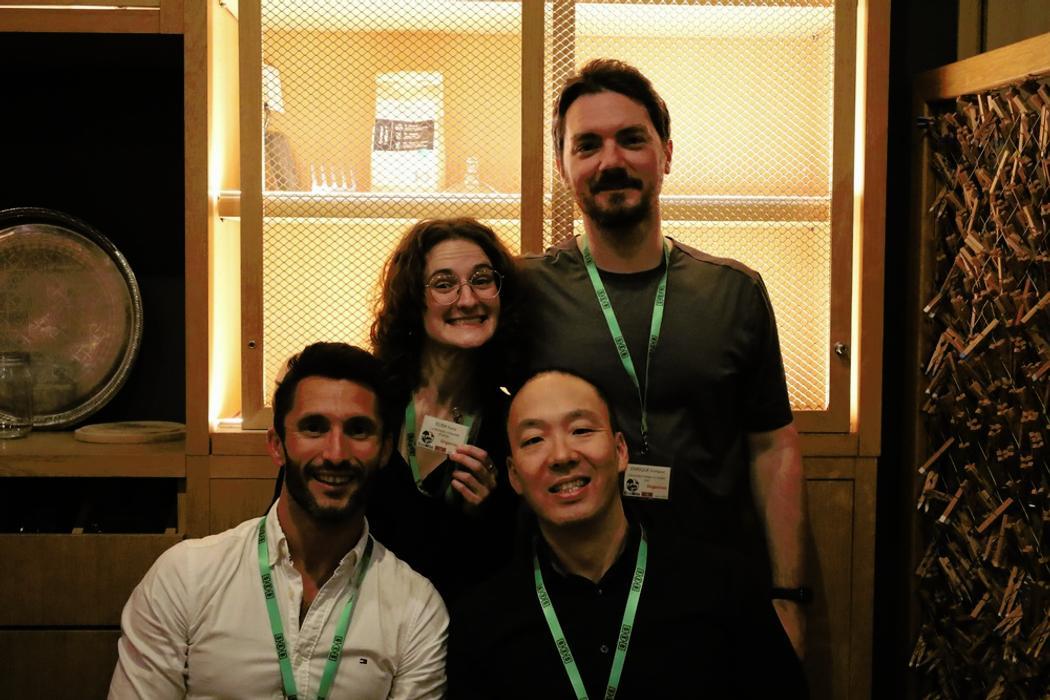
The inaugural SEB–EcoMito Symposium, held in Lyon, France, marked an important milestone for a community that began online during the COVID period. Organised in partnership with the Society for Experimental Biology (SEB) and led by the EcoMito organising team, Elisa Thoral (La Rochelle University, France), Loïc Teulier (University Claude Bernard Lyon 1, France), Enrique Rodriguez (University College London, UK) and Jules Devaux (University of Auckland, NZ), the meeting transformed a monthly virtual journal club into a vibrant, in-person scientific gathering dedicated to bridging cellular performance and ecophysiology.
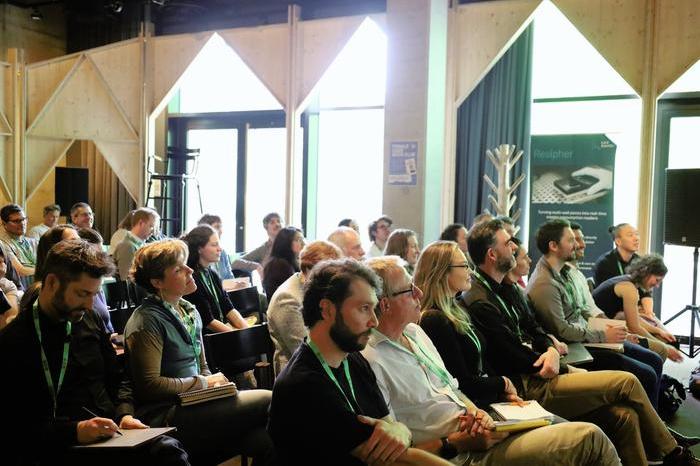
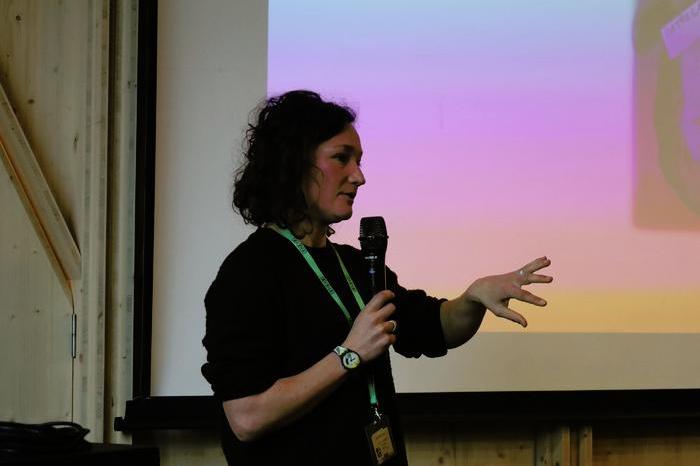
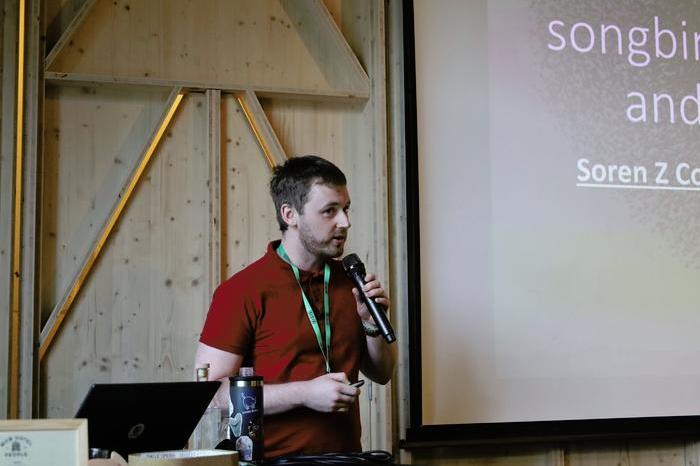
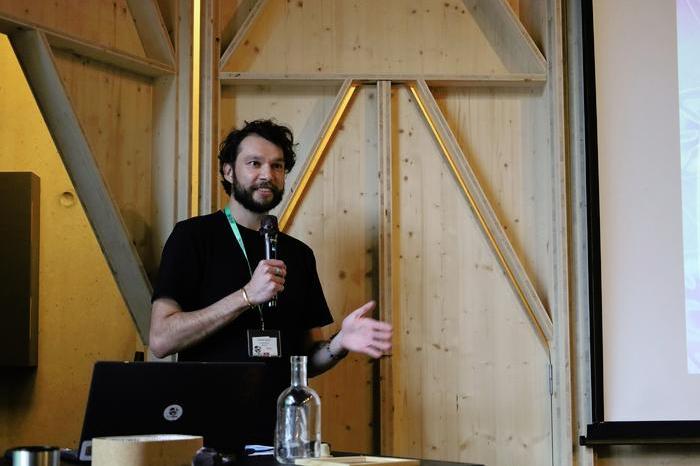
Over two days, we welcomed 56 registered delegates from across Europe, North America, French Guyana, Africa and Oceania, alongside more than 60 participants who attended the public plenary lecture delivered by Professor Nick Lane (University College London, UK). The scientific program spanned mitochondrial bioenergetics, plasticity under environmental stress, evolutionary adaptation, and translational perspectives, reinforcing the central idea that mitochondrial function must be understood across biological scales, from molecules to ecosystems.
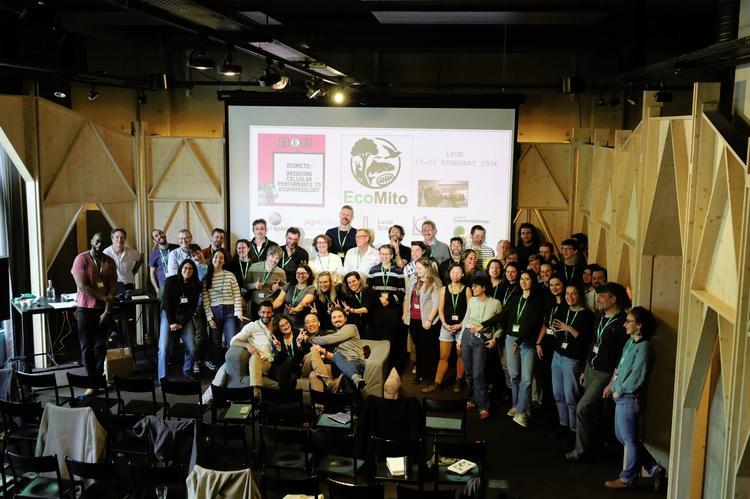
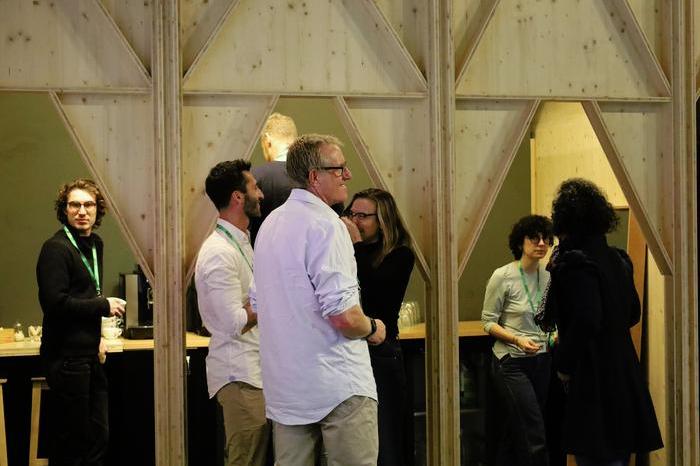
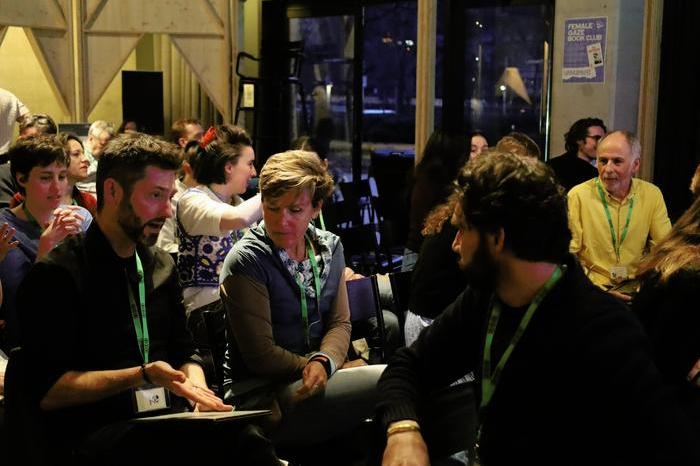
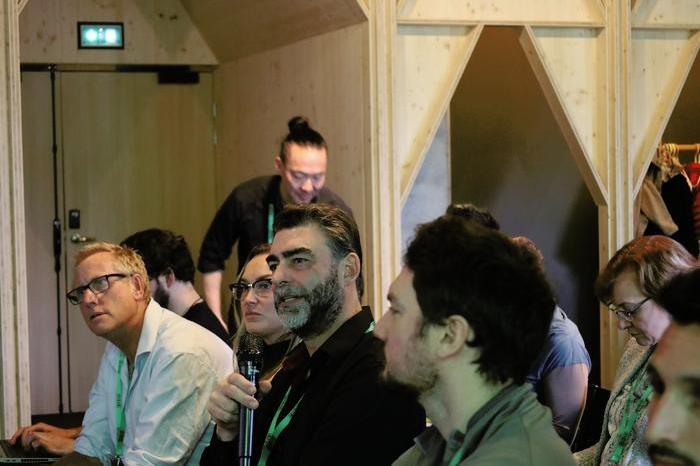
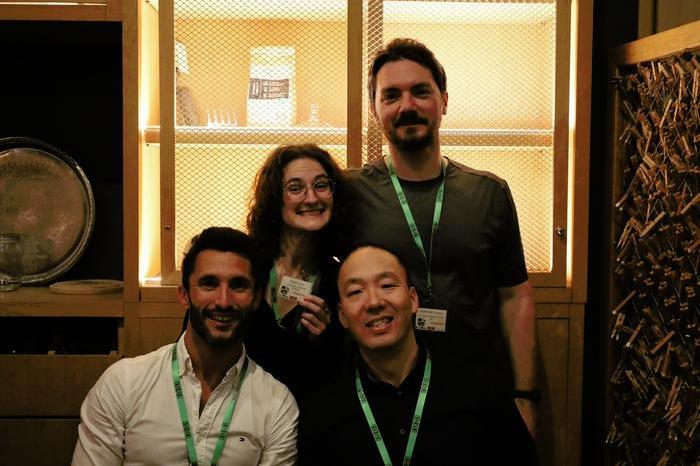
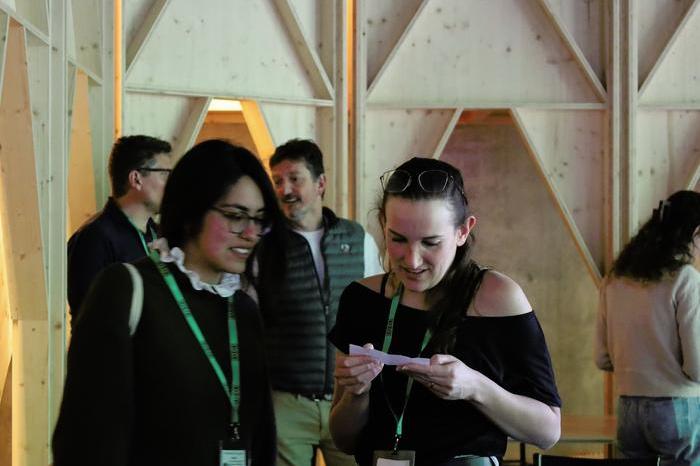
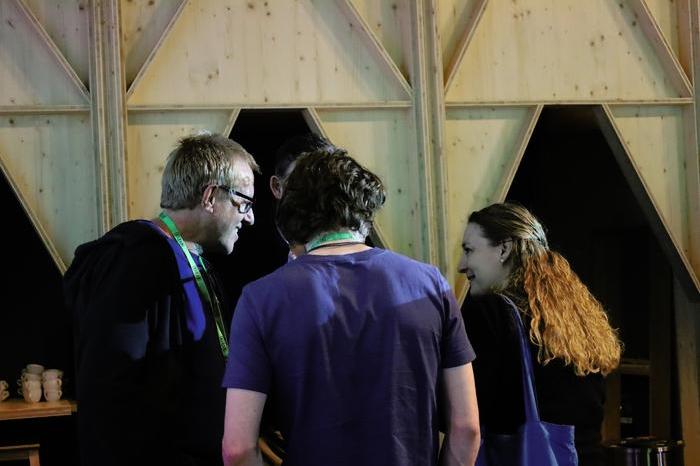
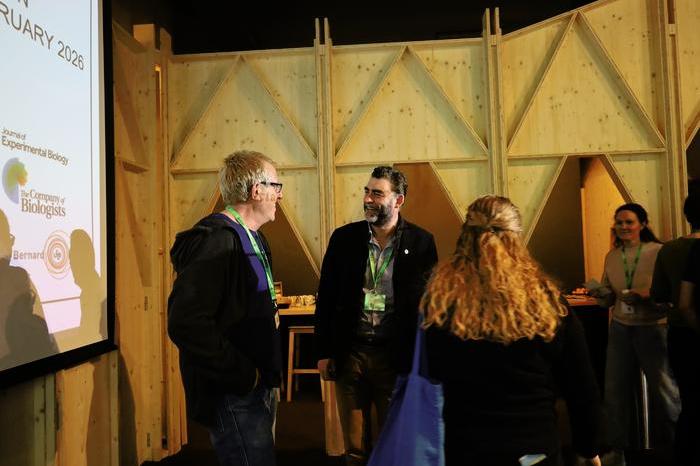
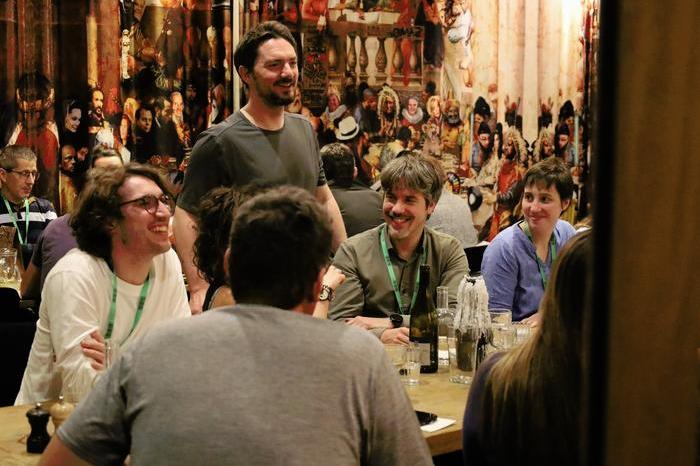
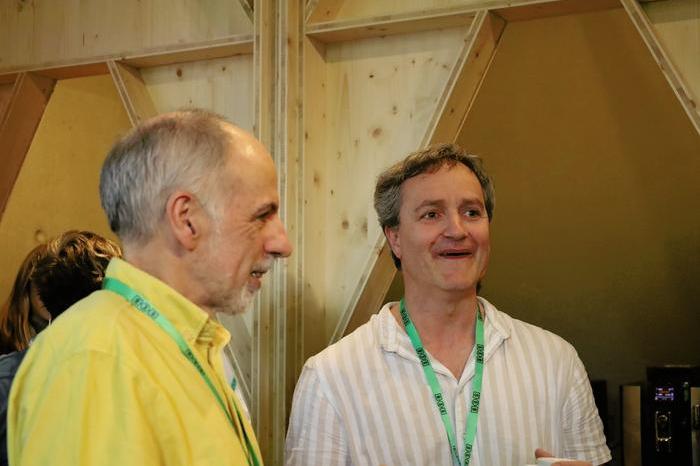
One recurring theme in the feedback was the importance of scale, not just biologically, but socially. Participants consistently highlighted that the size of the meeting felt “just right”. Large enough to ensure diversity of expertise and meaningful sponsorship engagement, yet small enough to allow genuine discussion with every delegate. Several noted that the integrated venue format, with conference space and accommodation combined at the MOB Hotel, created an atmosphere of continuous exchange. Scientific conversations extended over meals, coffee breaks, and evenings, fostering a true community spirit that is often lost at larger international conferences.
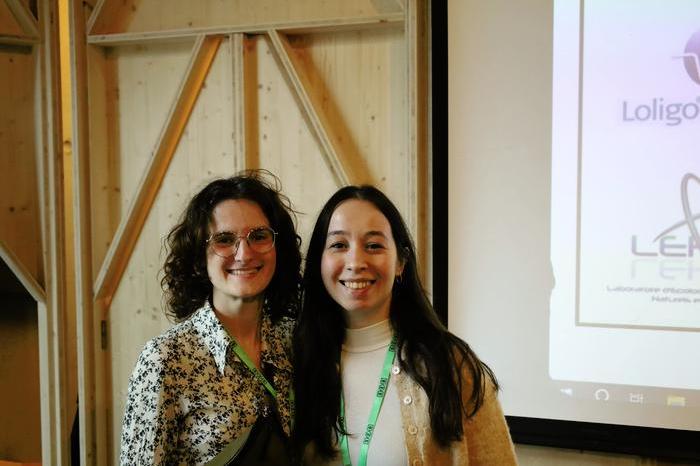
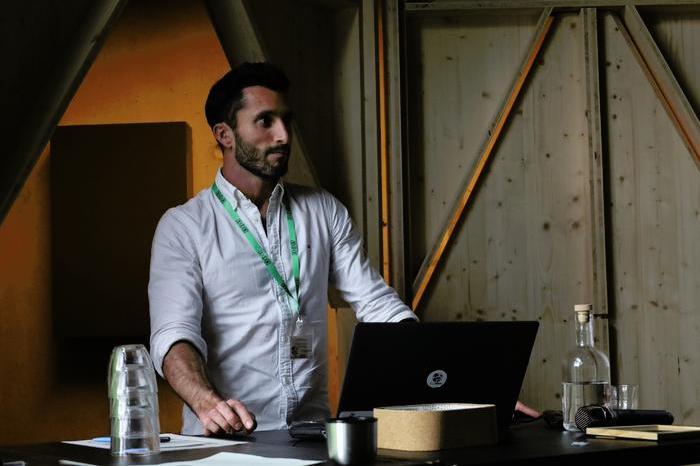
Supporting early-career researchers (ECRs) was central to the EcoMito vision. Thanks to our sponsors’ support, we were able to provide free accommodation to all 50 invited delegates, to cover catering for the entire event, to organise a guided visit to the Musée des Confluences, and to support travel for several ECRs. The opportunity for ECRs to present their work in front of a specialised and supportive audience was repeatedly described as invaluable.
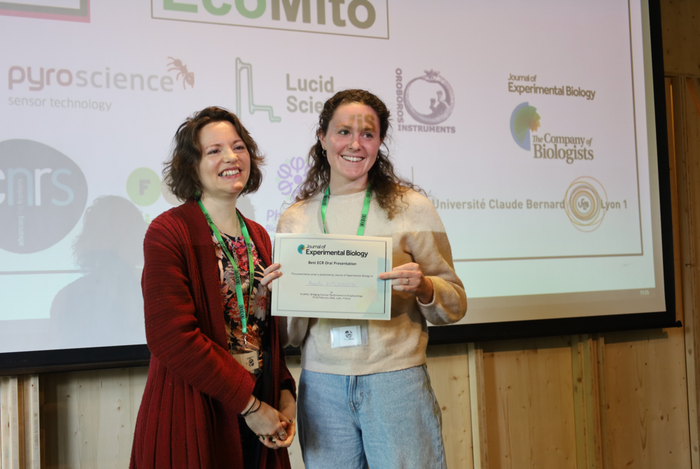
We are particularly grateful to The Company of Biologists for sponsoring the “Bioenergetics in an Ecological Context” prize, awarded to Amalie Hutchinson (Western University, Canada) for her outstanding presentation: “Balancing Act: ATP Supply and Demand in Torpid Ruby-Throated Hummingbirds”. We also warmly thank OROBOROS Instruments for sponsoring the “Innovative Methodology” award, presented to Jennifer Steffen (University of Rostock, Germany) for her ambitious and technically impressive experimental protocol explained in her talk entitled “The role of metabolic control adjustments during hypoxia and reoxygenation in mitochondria of two marine bivalve species”. These prizes recognised not only scientific excellence but also methodological creativity, both essential pillars of the EcoMito community.
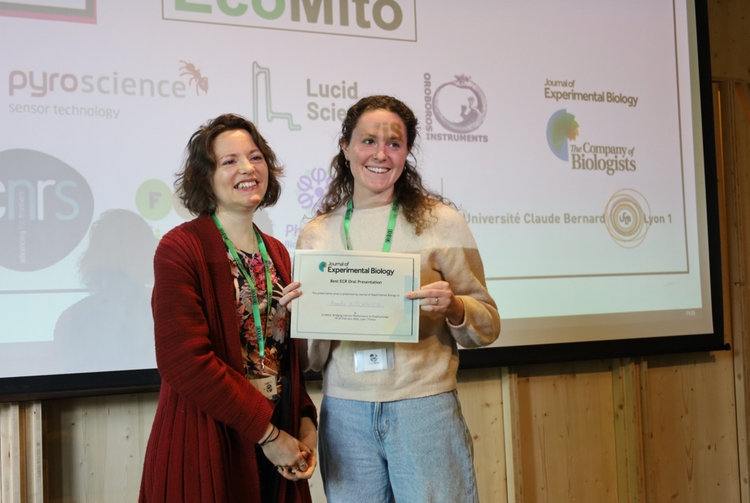
We also thank OROBOROS Instruments for presenting new developments including DatLab 9 and the evolving MitoEagle/GentleScience ecosystem. Harmony and methodological consistency are critical for comparative physiology, and these discussions were highly appreciated by delegates. Similarly, the presentation of the Resipher technology from Lucid Scientific generated strong interest and meaningful dialogue with the attendees.
Sponsor feedback reflected the strength of engagement within the EcoMito network. Several partners highlighted the quality of discussions and the enthusiasm of participants, connecting academia and technology partners.
The public plenary lecture by Professor Nick Lane entitled: “What is a feeling? Mitochondria to the rescue!” further broadened the audience, drawing more than 60 attendees and extending the conversation beyond the immediate EcoMito community. This integration of specialised and public-facing science is something we aim to continue fostering in future editions.
The overwhelming message from participants was clear: EcoMito should become a recurring meeting, every two to three years. The combination of focused science, community atmosphere, strong ECR representation, and integrated venue created something distinctive and valued.
We are deeply grateful to all sponsors and partners, especially the Society for Experimental Biology, whose support made this EcoMito Symposium possible.
Their contribution enabled scientific exchange at a scale and depth that would otherwise not have been achievable.
For more information and to find out how to join us, please have a look at the following links:
- www.sites.google.com/view/ecomito/home
- www.linkedin.com/company/ecomito-research-network/about
- ecomitojc.bsky.social
EcoMito is no longer just a journal club, it is now a growing international community.