Outreach, Education and Diversity
The Session information is still subject to change
OED1 - Cultivating Resilience in Bioscience Education: Feedback, Failure, Reflection, and Interdisciplinary Learning
Session Organisers
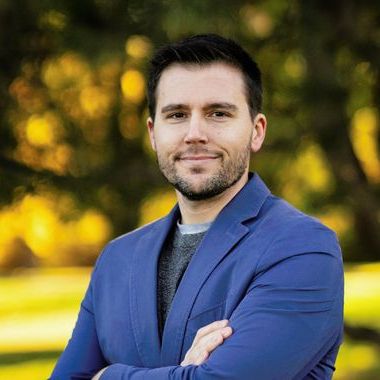
Dr Laura McCaughey

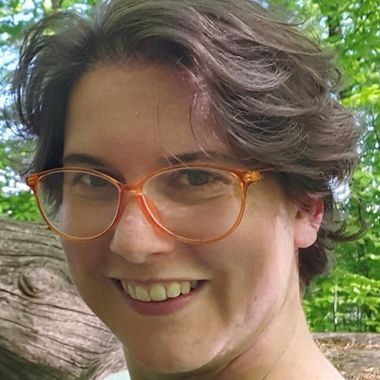
Dr Anna McGregor
Session Description
This session will be of interest to anyone involved in teaching in higher education, and of particular interest to teaching-focused staff and early career researchers interested in good pedagogical practice and scholarship. This session will focus on practical strategies for building resilience in bioscience education through formative assessment, reflective learning, and interdisciplinary approaches. It will explore how constructive feedback and learning through failure can help students develop confidence and persistence, mirroring the iterative nature of scientific research.
The session will also highlight the role of skills frameworks and structured reflection in supporting adaptability and career readiness. By connecting academic experiences to transferable competencies, these approaches enable learners to take ownership of their development and respond effectively to uncertainty and change. Finally, the session will showcase how interdisciplinary teaching fosters flexible thinking and collaboration, preparing graduates for complex, real-world challenges.
Participants will gain insights into course designs and practices that encourage creativity and resilience, equipping students to thrive in dynamic scientific and professional environments.
OED2 - Run Your Own Race – Resilience Along Unconventional Career Paths in Science
Session Organisers
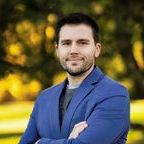
Invited Speakers
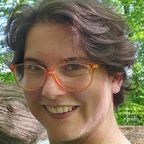
Dr Catherine Williams

Dr Dominque Morneau-Brosnan
Session Description
Often, we view scientists as a polished finished product, once they have reached their goals and the path that brought them there is obscured. Here, we hope to shed light on these pathways and encourage young scientists to carve their own unique career pathways. This session will be of interest to everyone, particularly postdoctoral fellows and early-career researchers.
Most experimental biologists follow a tried-and-true career path punctuated by undergraduate and graduate work, post-doctoral fellowships and finally long-term employment in an academic or government setting. Increasingly, scientists are facing a less certain career path, for example following non-traditional educational paths to research, moving between industry and academia, or pivoting from research to other science-based careers like publishing. In tandem, equality, diversity and inclusion (EDI) initiatives have opened this pathway to gifted scientists from diverse backgrounds. We don’t all run from the same starting line, nor do we reach the finish line together. The intent of this session is to hear from resilient leaders in this changing landscape who have forged their own path to full time careers in science research, science education and communication. Hearing from those who have navigated these pathways and can highlight alternate paths to success, both academic and otherwise, and can spark that conversation and inspire early career scientists to pursue their goals. We will showcase speakers from diverse backgrounds who have navigated career interruptions, changes in direction, and alternatives to academic and government careers.
OED3 - Enhancing Resilience and Adaptability in Bioscience Students and Educators
Session Organiser

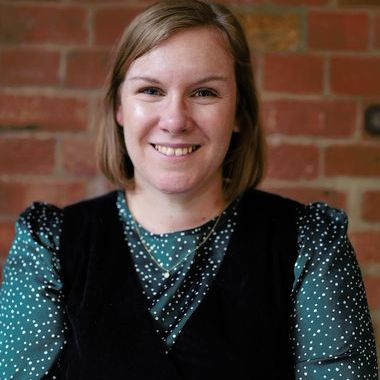
Dr Sarah Rayment
Invited Speaker
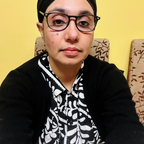
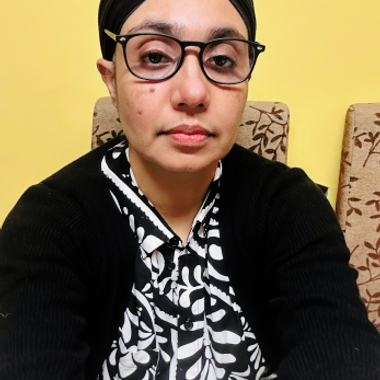
Dr Ishwinder Kaur
Session Description
Resilience and growth mindset are a valuable asset in an individual’s ability to able to adapt to current circumstances and overcome failure or challenges; whether in their studies, work/life balance or beyond. Adaptability and resilience, similarly to professional skills, can be developed and applied in key areas such as balancing competing deadlines and in the laboratory where experiments may “fail”.
These skills are increasingly of interest to potential graduate employers during the recruitment process so this session will be of interest to students, early career researchers as well as for academics who find themselves increasingly under pressure due to the current sector challenges. The session will give opportunities to show how resilience, growth mind set and adaptability is incorporated within the curriculum and course support at undergraduate and postgraduate levels. It will also provide attendees with an opportunity to reflect and build on their own resilience.
OED4 - Embedding Student Voice in Higher Education: Co-Creation, Representation, and Resilience, Partnering for Inclusive, Engaging Education
Session Organisers

Prof. Dr. Nicola Veitch

Dr Peter R Moult
Invited Speaker
Dr Peter R Moult
Session Description
Listening to the student voice has become a cornerstone of enhancing quality and fostering collaboration in Higher Education. As student cohorts grow increasingly diverse, institutions must adopt inclusive and varied approaches to capture student perspectives meaningfully and ensure broad representation. This session will explore strategies for embedding student voice into learning and teaching practices, with a particular focus on transparency, responsiveness, and co-creation of curriculum and assessments.
Staff-student partnerships and internship models that involve students in curriculum development are gaining traction across the sector. These initiatives not only enrich the educational experience but also equip students with valuable skills, contributing to resilience and empowerment within the student body. The session will showcase examples of effective practice, highlighting how institutions can integrate student voice and co-creation into quality enhancement processes and foster a culture of shared ownership.
Welcome contributors to the session will include student partners, early career teaching staff, senior academics, and programme leads, each offering unique perspectives on what meaningful collaboration looks like in practice. Together, they will present a holistic view of how co design processes can enrich all aspects of the biology curriculum.
Participants will gain insights into practical approaches for engaging students as partners, and leave with actionable ideas to strengthen student voice in their own contexts.
OED5 - Developing a Checklist to Enhance Awareness of Intersectional Attributes in HE
Session Organiser

Dr. Nicholas Freestone
Session Description
Join us for an engaging and thought-provoking workshop on Intersectionality in Higher Education, designed for both research- and teaching-focused colleagues. This session will explore how overlapping identities — including race, gender, class, sexuality, and other social positions — shape students’ experiences, opportunities, and outcomes within universities.
Drawing on Kimberlé Crenshaw’s foundational concept of intersectionality, the workshop will examine how systems of advantage and disadvantage interact in complex ways, influencing access to resources, participation, progression, and leadership. Participants will consider how an intersectional lens can strengthen policy development, improve campus climate, and promote authentic inclusion across teaching, research, and professional practice.
We will also explore the implications for research culture and team dynamics. Evidence consistently shows that heterogeneous groups — particularly in scientific research — achieve stronger outcomes. Yet awareness of intersectional factors and their impact on recruitment, retention, and collaboration remains limited. This workshop will highlight practical tools, strategies, and attitudes that can help address structural inequities and unconscious bias, supporting more equitable and effective working environments.
By the end of the session, participants will gain greater insight into how intersecting identities influence educational and research settings — and how thoughtful, informed action can create more inclusive and successful institutions for all